Back To Top
Plateforme adhérents
ENG
News
Accueil > News > Pression sur les matières premières depuis l'été
Pression sur les matières premières depuis l'été
20 December 2017
Partager | Imprimer

Après plusieurs années de léthargie, la production de matières premières est de nouveau sous pression, générée par plusieurs facteurs conjoncturels et structurels qui semblent jouer de manière concomitante depuis le début de l’année 2017 :

  • Des perturbations sociales et climatiques dans certains pays producteurs (Chili, Indonésie, Pérou) ont entraîné de fortes baisses de production générant une tension sur l’offre,
  • Avec la faiblesse du dollar et l’éloignement des craintes géopolitiques et environnementales, les matières premières sont redevenues un enjeu financier intéressant,
  • Les niveaux de production et les investissements, plus faibles depuis plusieurs années faute d’un besoin suffisant, peinent à alimenter une demande mondiale à nouveau croissante, et en premier lieu celle de la Chine,
  • La politique chinoise de fermeture de capacités de production polluantes et le blocage des investissements dans les mines à l’étranger engendre une tension significative sur les volumes.

MATIERES PREMIERES ET POLITIQUE CHINOISE

Le président chinois, Xi-Jinping, a déclaré l’environnement comme priorité nationale, craignant que ce sujet ne devienne source d’une contestation politique croissante et déstabilisante.

Aussi, les 18 juillet et 15 novembre derniers, la Chine a-t-elle fait deux notifications à l’OMC sur des projets de nouveaux standards d’acceptation des déchets recyclables non interdits à l’import mais soumis à restrictions d’importations à partir de 2018. Les restrictions s’appliqueront aux déchets importés (plastique, papier, métaux ferreux, métaux non-ferreux) qui devront respecter des seuils d’impuretés stricts.  

Par ailleurs, le gouvernement freine les projets d’investissement dans l’exploitation des matières premières des entreprises chinoises à l’étranger pour les inciter fortement à investir dans le recyclage sur leur marché domestique.

L’objectif est de baisser significativement la pollution dans le pays tout en développant une filière industrielle domestique du recyclage, et se traduit par la fermeture rapide de certains sites polluants alors même que des alternatives de production et de traitement ne sont pas encore prêtes à prendre la relève.

Un des exemples des conséquences de cette politique est l’arrêt brutal de capacités de production de graphite d’où l’envolée des prix des électrodes, mais pourrait avoir d’autres impacts sur les entreprises françaises.

FLAMBEE DES ELECTRODES DE FOURS

Suite à la fermeture d’un des plus gros fabricants mondiaux de graphite par les autorités chinoises pour raison environnementale et aux dégâts occasionnés par l’ouragan Harvey chez les producteurs américains, le prix des électrodes de fours a littéralement explosé en quelques semaines.

La cherté des approvisionnements en électrodes touche de plein fouet la sidérurgie mais aussi la fonderie qui l’utilise dans ses fours de fusion. Cette situation risque de perdurer tant que l’équilibre ne s’est pas rétabli en termes de capacités mondiales de production.

TENDANCE HAUSSIERE SUR TOUS LES METAUX, FERREUX ET NON FERREUX

En Avril dernier, la Banque mondiale tablait ainsi sur une progression de 16 % en moyenne des cours des métaux industriels en 2017, après des hausses comprises entre 14% à 60% selon les métaux, ce que semble confirmer les analystes et l’évolution des cours tout au long de l’année.

NICKEL : Les Philippines sont le 1er producteur mondial de minerai de nickel, ayant représenté 22% de la production mondiale en 2016 soit 500 000t, en progression de 320 000t depuis 2010. 95% de sa production est exporté vers la Chine.

Le prix du nickel a connu de fortes variations baissières au 1er semestre sous l’influence de l’allègement  des restrictions indonésiennes et du fléchissement de la demande d’inox. Néanmoins, la demande structurelle devrait durablement être orientée à la hausse sous l’effet de l’augmentation des besoins en nickel, notamment pour les batteries électriques qui représentent actuellement seulement 2-3% des usages.

CUIVRE : En 2016, les prix se sont accrus lors de l’élection présidentielle américaine dans un contexte de pénurie structurelle liée à de mauvaises conditions d’exploitation en 2015 (grèves, mauvais temps sur les mines). Depuis, le Pérou a augmenté sa production sous l’influence de la demande chinoise.

En 2017, la production chilienne a diminué de 60% à cause de grèves au 1er trimestre. Pour le moment, la demande chinoise est plutôt contenue suite à la régulation de la construction par le gouvernement chinois. Selon les prospectivistes, une pénurie pourrait intervenir à l’horizon 2020. En France, il est anticipé de forts besoins dus au renouvellement des installations SNCF.

Selon une étude réalisée en juin 2017 pour le compte de l’International Copper Association, le développement du marché des voitures et bus électriques devrait entrainer une demande passant de 185 000 tonnes actuellement à 1,74 millions de tonnes d’ici 10 ans, ce qui représenterait 6% de la demande mondiale.

COBALT : Malgré le quadruplement des capacités de raffinage en 5 ans par la Chine, la demande croissante, estimée à 7% par an, dans tous ses usages anciens ou nouveaux (batteries lithium-ions pour stockage, superalliages +4%/an, pigments, carbures, catalyse), risque de peser sur l’offre.

FERRAILLES : Stimulée par le renouveau de la demande sidérurgique française et européenne, la demande de volumes de ferrailles s’est globalement accrue sur l’année 2017, ponctuellement influencée par les besoins de la sidérurgie turque.


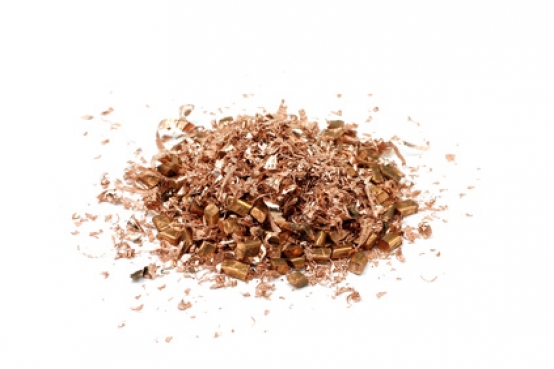
Crédit photo: fablok

News
January 29 2026

European Foundry Industry Sentiment in december 25

The European Foundry Industry Sentiment Index (FISI) increased in December 2025.

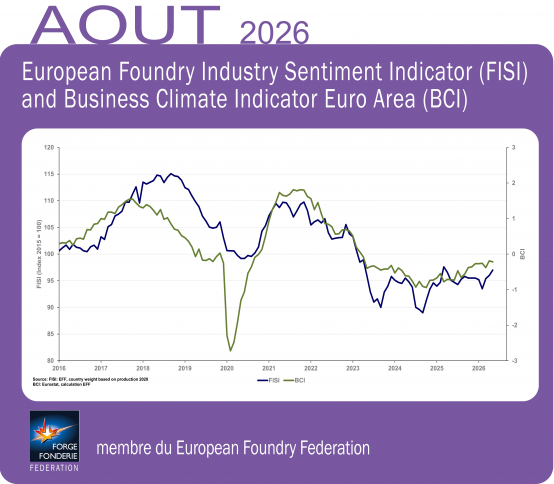
The European foundry industry ended the year 2025 with a slight upside. The European Foundry Industry Sentiment Index (FISI), published monthly by European Foundry Federation, increased by 0.5 point in December 2025 and reached a level of  95.8 points.

The situation on the cast iron market in the main European markets was at a similar level as a month earlier, but it is worth noting that expectations for the next 6 months, in particular on the German market, are relatively optimistic.

The situation is similar on the steel casting market. The German market showed an increase in production compared to November 2025 and such a trend is also planned for the next half of the year. In the other EFF member countries, the situation on the steel castings market has not changed compared to November.

Taking into account the market of non-ferrous metal castings, the current situation in EFF member countries and expectations for the next 6 months are quite positive. It is worth noting that the foundry markets in Italy and Germany anticipate an increase in the production of castings made of this material. In the other countries participating in the survey, the expected level of production will be at a similar level as in previous months.

The Business Climate Index (BCI), published by the European Commission, reached ‑0.56 in December 2025, compared to the previous reading of ‑0.66 in November 2025.

The Eurozone Manufacturing PMI in December 2025 reached a level of 48.8 which was a decrease by 0.9 point from the value of 49.7 in November 2025.

The FISI – European Foundry Industry Sentiment Indicator – is the earliest available composite indicator providing information on the European foundry industry performance. It is published by EFF —  European Foundry Federation every month and is based on survey responses of the European foundry industry. The EFF members are asked to give their assessment of the current business situation in the foundry sector and their expectations for the next six months.

The BCI – Business Climate Indicator – is an indicator published by the European Commission. The BCI evaluates development conditions of the manufacturing sector in the euro area every month and uses five balances of opinion from industry survey: production trends, order books, export order books, stocks and production expectations.

Purchasing Managers’ Index (PMI) -  in the Euro area is an indicator of the economic health of the manufacturing sector. It is based on such indicators as: new orders, inventory levels, production, supplier deliveries and the employment environment.

EFF Contact:

Witold Dobosz
General Secretariat
mail: info@eff-eu.org

The European Foundry Industry Sentiment Index (FISI) increased in December 2025.

The European foundry industry ended the year 2025 with a slight upside. The European Foundry Industry Sentiment Index (FISI), published monthly by European Foundry Federation, increased by 0.5 point in December 2025 and reached a level of  95.8 points.

December 2025: 

The European Foundry Industry Sentiment Index (FISI) increased in December 2025.

The European foundry industry ended the year 2025 with a slight upside. The European Foundry Industry Sentiment Index (FISI), published monthly by European Foundry Federation, increased by 0.5 point in December 2025 and reached a level of  95.8 points.

December 2025: 

The European Foundry Industry Sentiment Index (FISI) increased in December 2025.

The European foundry industry ended the year 2025 with a slight upside. The European Foundry Industry Sentiment Index (FISI), published monthly by European Foundry Federation, increased by 0.5 point in December 2025 and reached a level of  95.8 points.

December 2025: 

The European Foundry Industry Sentiment Index (FISI) increased in December 2025.

The European foundry industry ended the year 2025 with a slight upside. The European Foundry Industry Sentiment Index (FISI), published monthly by European Foundry Federation, increased by 0.5 point in December 2025 and reached a level of  95.8 points.

December 2025: 

The European Foundry Industry Sentiment Index (FISI) increased in December 2025.

The European foundry industry ended the year 2025 with a slight upside. The European Foundry Industry Sentiment Index (FISI), published monthly by European Foundry Federation, increased by 0.5 point in December 2025 and reached a level of  95.8 points.

December 2025: 

The European Foundry Industry Sentiment Index (FISI) increased in December 2025.

The European foundry industry ended the year 2025 with a slight upside. The European Foundry Industry Sentiment Index (FISI), published monthly by European Foundry Federation, increased by 0.5 point in December 2025 and reached a level of  95.8 points.

December 2025: 

The European Foundry Industry Sentiment Index (FISI) increased in December 2025.

The European foundry industry ended the year 2025 with a slight upside. The European Foundry Industry Sentiment Index (FISI), published monthly by European Foundry Federation, increased by 0.5 point in December 2025 and reached a level of  95.8 points.

December 2025: 

The European Foundry Industry Sentiment Index (FISI) increased in December 2025.

The European foundry industry ended the year 2025 with a slight upside. The European Foundry Industry Sentiment Index (FISI), published monthly by European Foundry Federation, increased by 0.5 point in December 2025 and reached a level of  95.8 points.

The situation on the cast iron market in the main European markets was at a similar level as a month earlier, but it is worth noting that expectations for the next 6 months, in particular on the German market, are relatively optimistic.

The situation is similar on the steel casting market. The German market showed an increase in production compared to November 2025 and such a trend is also planned for the next half of the year. In the other EFF member countries, the situation on the steel castings market has not changed compared to November.

Taking into account the market of non-ferrous metal castings, the current situation in EFF member countries and expectations for the next 6 months are quite positive. It is worth noting that the foundry markets in Italy and Germany anticipate an increase in the production of castings made of this material. In the other countries participating in the survey, the expected level of production will be at a similar level as in previous months.

The Business Climate Index (BCI), published by the European Commission, reached ‑0.56 in December 2025, compared to the previous reading of ‑0.66 in November 2025.

The Eurozone Manufacturing PMI in December 2025 reached a level of 48.8 which was a decrease by 0.9 point from the value of 49.7 in November 2025.

The FISI – European Foundry Industry Sentiment Indicator – is the earliest available composite indicator providing information on the European foundry industry performance. It is published by EFF —  European Foundry Federation every month and is based on survey responses of the European foundry industry. The EFF members are asked to give their assessment of the current business situation in the foundry sector and their expectations for the next six months.

The BCI – Business Climate Indicator – is an indicator published by the European Commission. The BCI evaluates development conditions of the manufacturing sector in the euro area every month and uses five balances of opinion from industry survey: production trends, order books, export order books, stocks and production expectations.

Purchasing Managers’ Index (PMI) -  in the Euro area is an indicator of the economic health of the manufacturing sector. It is based on such indicators as: new orders, inventory levels, production, supplier deliveries and the employment environment.


The European Foundry Industry Sentiment Index (FISI) increased in December 2025.

The European foundry industry ended the year 2025 with a slight upside. The European Foundry Industry Sentiment Index (FISI), published monthly by European Foundry Federation, increased by 0.5 point in December 2025 and reached a level of  95.8 points.

The situation on the cast iron market in the main European markets was at a similar level as a month earlier, but it is worth noting that expectations for the next 6 months, in particular on the German market, are relatively optimistic.

The situation is similar on the steel casting market. The German market showed an increase in production compared to November 2025 and such a trend is also planned for the next half of the year. In the other EFF member countries, the situation on the steel castings market has not changed compared to November.

Taking into account the market of non-ferrous metal castings, the current situation in EFF member countries and expectations for the next 6 months are quite positive. It is worth noting that the foundry markets in Italy and Germany anticipate an increase in the production of castings made of this material. In the other countries participating in the survey, the expected level of production will be at a similar level as in previous months.

The Business Climate Index (BCI), published by the European Commission, reached ‑0.56 in December 2025, compared to the previous reading of ‑0.66 in November 2025.

The Eurozone Manufacturing PMI in December 2025 reached a level of 48.8 which was a decrease by 0.9 point from the value of 49.7 in November 2025.

The FISI – European Foundry Industry Sentiment Indicator – is the earliest available composite indicator providing information on the European foundry industry performance. It is published by EFF —  European Foundry Federation every month and is based on survey responses of the European foundry industry. The EFF members are asked to give their assessment of the current business situation in the foundry sector and their expectations for the next six months.

The BCI – Business Climate Indicator – is an indicator published by the European Commission. The BCI evaluates development conditions of the manufacturing sector in the euro area every month and uses five balances of opinion from industry survey: production trends, order books, export order books, stocks and production expectations.

Purchasing Managers’ Index (PMI) -  in the Euro area is an indicator of the economic health of the manufacturing sector. It is based on such indicators as: new orders, inventory levels, production, supplier deliveries and the employment environment.

EFF Contact:

Witold Dobosz
General Secretariat
mail: info@eff-eu.org

The European Foundry Industry Sentiment Index (FISI) increased in December 2025.

The European foundry industry ended the year 2025 with a slight upside. The European Foundry Industry Sentiment Index (FISI), published monthly by European Foundry Federation, increased by 0.5 point in December 2025 and reached a level of  95.8 points.

The situation on the cast iron market in the main European markets was at a similar level as a month earlier, but it is worth noting that expectations for the next 6 months, in particular on the German market, are relatively optimistic.

The situation is similar on the steel casting market. The German market showed an increase in production compared to November 2025 and such a trend is also planned for the next half of the year. In the other EFF member countries, the situation on the steel castings market has not changed compared to November.

Taking into account the market of non-ferrous metal castings, the current situation in EFF member countries and expectations for the next 6 months are quite positive. It is worth noting that the foundry markets in Italy and Germany anticipate an increase in the production of castings made of this material. In the other countries participating in the survey, the expected level of production will be at a similar level as in previous months.

The Business Climate Index (BCI), published by the European Commission, reached ‑0.56 in December 2025, compared to the previous reading of ‑0.66 in November 2025.

The Eurozone Manufacturing PMI in December 2025 reached a level of 48.8 which was a decrease by 0.9 point from the value of 49.7 in November 2025.

The FISI – European Foundry Industry Sentiment Indicator – is the earliest available composite indicator providing information on the European foundry industry performance. It is published by EFF —  European Foundry Federation every month and is based on survey responses of the European foundry industry. The EFF members are asked to give their assessment of the current business situation in the foundry sector and their expectations for the next six months.

The BCI – Business Climate Indicator – is an indicator published by the European Commission. The BCI evaluates development conditions of the manufacturing sector in the euro area every month and uses five balances of opinion from industry survey: production trends, order books, export order books, stocks and production expectations.

Purchasing Managers’ Index (PMI) -  in the Euro area is an indicator of the economic health of the manufacturing sector. It is based on such indicators as: new orders, inventory levels, production, supplier deliveries and the employment environment.

EFF Contact:

Witold Dobosz
General Secretariat
mail: info@eff-eu.org

The European Foundry Industry Sentiment Index (FISI) increased in December 2025.

The European foundry industry ended the year 2025 with a slight upside. The European Foundry Industry Sentiment Index (FISI), published monthly by European Foundry Federation, increased by 0.5 point in December 2025 and reached a level of  95.8 points.

The situation on the cast iron market in the main European markets was at a similar level as a month earlier, but it is worth noting that expectations for the next 6 months, in particular on the German market, are relatively optimistic.

The situation is similar on the steel casting market. The German market showed an increase in production compared to November 2025 and such a trend is also planned for the next half of the year. In the other EFF member countries, the situation on the steel castings market has not changed compared to November.

Taking into account the market of non-ferrous metal castings, the current situation in EFF member countries and expectations for the next 6 months are quite positive. It is worth noting that the foundry markets in Italy and Germany anticipate an increase in the production of castings made of this material. In the other countries participating in the survey, the expected level of production will be at a similar level as in previous months.

The Business Climate Index (BCI), published by the European Commission, reached ‑0.56 in December 2025, compared to the previous reading of ‑0.66 in November 2025.

The Eurozone Manufacturing PMI in December 2025 reached a level of 48.8 which was a decrease by 0.9 point from the value of 49.7 in November 2025.

The FISI – European Foundry Industry Sentiment Indicator – is the earliest available composite indicator providing information on the European foundry industry performance. It is published by EFF —  European Foundry Federation every month and is based on survey responses of the European foundry industry. The EFF members are asked to give their assessment of the current business situation in the foundry sector and their expectations for the next six months.

The BCI – Business Climate Indicator – is an indicator published by the European Commission. The BCI evaluates development conditions of the manufacturing sector in the euro area every month and uses five balances of opinion from industry survey: production trends, order books, export order books, stocks and production expectations.

Purchasing Managers’ Index (PMI) -  in the Euro area is an indicator of the economic health of the manufacturing sector. It is based on such indicators as: new orders, inventory levels, production, supplier deliveries and the employment environment.

EFF Contact:

Witold Dobosz
General Secretariat
mail: info@eff-eu.org

The European Foundry Industry Sentiment Index (FISI) increased in December 2025.

The European foundry industry ended the year 2025 with a slight upside. The European Foundry Industry Sentiment Index (FISI), published monthly by European Foundry Federation, increased by 0.5 point in December 2025 and reached a level of  95.8 points.

The situation on the cast iron market in the main European markets was at a similar level as a month earlier, but it is worth noting that expectations for the next 6 months, in particular on the German market, are relatively optimistic.

The situation is similar on the steel casting market. The German market showed an increase in production compared to November 2025 and such a trend is also planned for the next half of the year. In the other EFF member countries, the situation on the steel castings market has not changed compared to November.

Taking into account the market of non-ferrous metal castings, the current situation in EFF member countries and expectations for the next 6 months are quite positive. It is worth noting that the foundry markets in Italy and Germany anticipate an increase in the production of castings made of this material. In the other countries participating in the survey, the expected level of production will be at a similar level as in previous months.

The Business Climate Index (BCI), published by the European Commission, reached ‑0.56 in December 2025, compared to the previous reading of ‑0.66 in November 2025.

The Eurozone Manufacturing PMI in December 2025 reached a level of 48.8 which was a decrease by 0.9 point from the value of 49.7 in November 2025.

The FISI – European Foundry Industry Sentiment Indicator – is the earliest available composite indicator providing information on the European foundry industry performance. It is published by EFF —  European Foundry Federation every month and is based on survey responses of the European foundry industry. The EFF members are asked to give their assessment of the current business situation in the foundry sector and their expectations for the next six months.

The BCI – Business Climate Indicator – is an indicator published by the European Commission. The BCI evaluates development conditions of the manufacturing sector in the euro area every month and uses five balances of opinion from industry survey: production trends, order books, export order books, stocks and production expectations.

Purchasing Managers’ Index (PMI) -  in the Euro area is an indicator of the economic health of the manufacturing sector. It is based on such indicators as: new orders, inventory levels, production, supplier deliveries and the employment environment.

EFF Contact:

Witold Dobosz
General Secretariat
mail: info@eff-eu.org

The European Foundry Industry Sentiment Index (FISI) increased in December 2025.

The European foundry industry ended the year 2025 with a slight upside. The European Foundry Industry Sentiment Index (FISI), published monthly by European Foundry Federation, increased by 0.5 point in December 2025 and reached a level of  95.8 points.

The situation on the cast iron market in the main European markets was at a similar level as a month earlier, but it is worth noting that expectations for the next 6 months, in particular on the German market, are relatively optimistic.

The situation is similar on the steel casting market. The German market showed an increase in production compared to November 2025 and such a trend is also planned for the next half of the year. In the other EFF member countries, the situation on the steel castings market has not changed compared to November.

Taking into account the market of non-ferrous metal castings, the current situation in EFF member countries and expectations for the next 6 months are quite positive. It is worth noting that the foundry markets in Italy and Germany anticipate an increase in the production of castings made of this material. In the other countries participating in the survey, the expected level of production will be at a similar level as in previous months.

The Business Climate Index (BCI), published by the European Commission, reached ‑0.56 in December 2025, compared to the previous reading of ‑0.66 in November 2025.

The Eurozone Manufacturing PMI in December 2025 reached a level of 48.8 which was a decrease by 0.9 point from the value of 49.7 in November 2025.

The FISI – European Foundry Industry Sentiment Indicator – is the earliest available composite indicator providing information on the European foundry industry performance. It is published by EFF —  European Foundry Federation every month and is based on survey responses of the European foundry industry. The EFF members are asked to give their assessment of the current business situation in the foundry sector and their expectations for the next six months.

The BCI – Business Climate Indicator – is an indicator published by the European Commission. The BCI evaluates development conditions of the manufacturing sector in the euro area every month and uses five balances of opinion from industry survey: production trends, order books, export order books, stocks and production expectations.

Purchasing Managers’ Index (PMI) -  in the Euro area is an indicator of the economic health of the manufacturing sector. It is based on such indicators as: new orders, inventory levels, production, supplier deliveries and the employment environment.

EFF Contact:

Witold Dobosz
General Secretariat
mail: info@eff-eu.org

The European Foundry Industry Sentiment Index (FISI) increased in December 2025.

The European foundry industry ended the year 2025 with a slight upside. The European Foundry Industry Sentiment Index (FISI), published monthly by European Foundry Federation, increased by 0.5 point in December 2025 and reached a level of  95.8 points.

The situation on the cast iron market in the main European markets was at a similar level as a month earlier, but it is worth noting that expectations for the next 6 months, in particular on the German market, are relatively optimistic.

The situation is similar on the steel casting market. The German market showed an increase in production compared to November 2025 and such a trend is also planned for the next half of the year. In the other EFF member countries, the situation on the steel castings market has not changed compared to November.

Taking into account the market of non-ferrous metal castings, the current situation in EFF member countries and expectations for the next 6 months are quite positive. It is worth noting that the foundry markets in Italy and Germany anticipate an increase in the production of castings made of this material. In the other countries participating in the survey, the expected level of production will be at a similar level as in previous months.

The Business Climate Index (BCI), published by the European Commission, reached ‑0.56 in December 2025, compared to the previous reading of ‑0.66 in November 2025.

The Eurozone Manufacturing PMI in December 2025 reached a level of 48.8 which was a decrease by 0.9 point from the value of 49.7 in November 2025.

The FISI – European Foundry Industry Sentiment Indicator – is the earliest available composite indicator providing information on the European foundry industry performance. It is published by EFF —  European Foundry Federation every month and is based on survey responses of the European foundry industry. The EFF members are asked to give their assessment of the current business situation in the foundry sector and their expectations for the next six months.

The BCI – Business Climate Indicator – is an indicator published by the European Commission. The BCI evaluates development conditions of the manufacturing sector in the euro area every month and uses five balances of opinion from industry survey: production trends, order books, export order books, stocks and production expectations.

Purchasing Managers’ Index (PMI) -  in the Euro area is an indicator of the economic health of the manufacturing sector. It is based on such indicators as: new orders, inventory levels, production, supplier deliveries and the employment environment.

EFF Contact:

Witold Dobosz
General Secretariat
mail: info@eff-eu.org

The European Foundry Industry Sentiment Index (FISI) increased in December 2025.

The European foundry industry ended the year 2025 with a slight upside. The European Foundry Industry Sentiment Index (FISI), published monthly by European Foundry Federation, increased by 0.5 point in December 2025 and reached a level of  95.8 points.

The situation on the cast iron market in the main European markets was at a similar level as a month earlier, but it is worth noting that expectations for the next 6 months, in particular on the German market, are relatively optimistic.

The situation is similar on the steel casting market. The German market showed an increase in production compared to November 2025 and such a trend is also planned for the next half of the year. In the other EFF member countries, the situation on the steel castings market has not changed compared to November.

Taking into account the market of non-ferrous metal castings, the current situation in EFF member countries and expectations for the next 6 months are quite positive. It is worth noting that the foundry markets in Italy and Germany anticipate an increase in the production of castings made of this material. In the other countries participating in the survey, the expected level of production will be at a similar level as in previous months.

The Business Climate Index (BCI), published by the European Commission, reached ‑0.56 in December 2025, compared to the previous reading of ‑0.66 in November 2025.

The Eurozone Manufacturing PMI in December 2025 reached a level of 48.8 which was a decrease by 0.9 point from the value of 49.7 in November 2025.

The FISI – European Foundry Industry Sentiment Indicator – is the earliest available composite indicator providing information on the European foundry industry performance. It is published by EFF —  European Foundry Federation every month and is based on survey responses of the European foundry industry. The EFF members are asked to give their assessment of the current business situation in the foundry sector and their expectations for the next six months.

The BCI – Business Climate Indicator – is an indicator published by the European Commission. The BCI evaluates development conditions of the manufacturing sector in the euro area every month and uses five balances of opinion from industry survey: production trends, order books, export order books, stocks and production expectations.

Purchasing Managers’ Index (PMI) -  in the Euro area is an indicator of the economic health of the manufacturing sector. It is based on such indicators as: new orders, inventory levels, production, supplier deliveries and the employment environment.

EFF Contact:

Witold Dobosz
General Secretariat
mail: info@eff-eu.org

The European Foundry Industry Sentiment Index (FISI) increased in December 2025.

The European foundry industry ended the year 2025 with a slight upside. The European Foundry Industry Sentiment Index (FISI), published monthly by European Foundry Federation, increased by 0.5 point in December 2025 and reached a level of  95.8 points.

The situation on the cast iron market in the main European markets was at a similar level as a month earlier, but it is worth noting that expectations for the next 6 months, in particular on the German market, are relatively optimistic.

The situation is similar on the steel casting market. The German market showed an increase in production compared to November 2025 and such a trend is also planned for the next half of the year. In the other EFF member countries, the situation on the steel castings market has not changed compared to November.

Taking into account the market of non-ferrous metal castings, the current situation in EFF member countries and expectations for the next 6 months are quite positive. It is worth noting that the foundry markets in Italy and Germany anticipate an increase in the production of castings made of this material. In the other countries participating in the survey, the expected level of production will be at a similar level as in previous months.

The Business Climate Index (BCI), published by the European Commission, reached ‑0.56 in December 2025, compared to the previous reading of ‑0.66 in November 2025.

The Eurozone Manufacturing PMI in December 2025 reached a level of 48.8 which was a decrease by 0.9 point from the value of 49.7 in November 2025.

The FISI – European Foundry Industry Sentiment Indicator – is the earliest available composite indicator providing information on the European foundry industry performance. It is published by EFF —  European Foundry Federation every month and is based on survey responses of the European foundry industry. The EFF members are asked to give their assessment of the current business situation in the foundry sector and their expectations for the next six months.

The BCI – Business Climate Indicator – is an indicator published by the European Commission. The BCI evaluates development conditions of the manufacturing sector in the euro area every month and uses five balances of opinion from industry survey: production trends, order books, export order books, stocks and production expectations.

Purchasing Managers’ Index (PMI) -  in the Euro area is an indicator of the economic health of the manufacturing sector. It is based on such indicators as: new orders, inventory levels, production, supplier deliveries and the employment environment.

EFF Contact:

Witold Dobosz
General Secretariat
mail: info@eff-eu.org

The European Foundry Industry Sentiment Index (FISI) increased in December 2025.

The European foundry industry ended the year 2025 with a slight upside. The European Foundry Industry Sentiment Index (FISI), published monthly by European Foundry Federation, increased by 0.5 point in December 2025 and reached a level of  95.8 points.

The situation on the cast iron market in the main European markets was at a similar level as a month earlier, but it is worth noting that expectations for the next 6 months, in particular on the German market, are relatively optimistic.

The situation is similar on the steel casting market. The German market showed an increase in production compared to November 2025 and such a trend is also planned for the next half of the year. In the other EFF member countries, the situation on the steel castings market has not changed compared to November.

Taking into account the market of non-ferrous metal castings, the current situation in EFF member countries and expectations for the next 6 months are quite positive. It is worth noting that the foundry markets in Italy and Germany anticipate an increase in the production of castings made of this material. In the other countries participating in the survey, the expected level of production will be at a similar level as in previous months.

The Business Climate Index (BCI), published by the European Commission, reached ‑0.56 in December 2025, compared to the previous reading of ‑0.66 in November 2025.

The Eurozone Manufacturing PMI in December 2025 reached a level of 48.8 which was a decrease by 0.9 point from the value of 49.7 in November 2025.

The FISI – European Foundry Industry Sentiment Indicator – is the earliest available composite indicator providing information on the European foundry industry performance. It is published by EFF —  European Foundry Federation every month and is based on survey responses of the European foundry industry. The EFF members are asked to give their assessment of the current business situation in the foundry sector and their expectations for the next six months.

The BCI – Business Climate Indicator – is an indicator published by the European Commission. The BCI evaluates development conditions of the manufacturing sector in the euro area every month and uses five balances of opinion from industry survey: production trends, order books, export order books, stocks and production expectations.

Purchasing Managers’ Index (PMI) -  in the Euro area is an indicator of the economic health of the manufacturing sector. It is based on such indicators as: new orders, inventory levels, production, supplier deliveries and the employment environment.

EFF Contact:

Witold Dobosz
General Secretariat
mail: info@eff-eu.org

The European Foundry Industry Sentiment Index (FISI) increased in December 2025.

The European foundry industry ended the year 2025 with a slight upside. The European Foundry Industry Sentiment Index (FISI), published monthly by European Foundry Federation, increased by 0.5 point in December 2025 and reached a level of  95.8 points.

The situation on the cast iron market in the main European markets was at a similar level as a month earlier, but it is worth noting that expectations for the next 6 months, in particular on the German market, are relatively optimistic.

The situation is similar on the steel casting market. The German market showed an increase in production compared to November 2025 and such a trend is also planned for the next half of the year. In the other EFF member countries, the situation on the steel castings market has not changed compared to November.

Taking into account the market of non-ferrous metal castings, the current situation in EFF member countries and expectations for the next 6 months are quite positive. It is worth noting that the foundry markets in Italy and Germany anticipate an increase in the production of castings made of this material. In the other countries participating in the survey, the expected level of production will be at a similar level as in previous months.

The Business Climate Index (BCI), published by the European Commission, reached ‑0.56 in December 2025, compared to the previous reading of ‑0.66 in November 2025.

The Eurozone Manufacturing PMI in December 2025 reached a level of 48.8 which was a decrease by 0.9 point from the value of 49.7 in November 2025.

The FISI – European Foundry Industry Sentiment Indicator – is the earliest available composite indicator providing information on the European foundry industry performance. It is published by EFF —  European Foundry Federation every month and is based on survey responses of the European foundry industry. The EFF members are asked to give their assessment of the current business situation in the foundry sector and their expectations for the next six months.

The BCI – Business Climate Indicator – is an indicator published by the European Commission. The BCI evaluates development conditions of the manufacturing sector in the euro area every month and uses five balances of opinion from industry survey: production trends, order books, export order books, stocks and production expectations.

Purchasing Managers’ Index (PMI) -  in the Euro area is an indicator of the economic health of the manufacturing sector. It is based on such indicators as: new orders, inventory levels, production, supplier deliveries and the employment environment.

EFF Contact:

Witold Dobosz
General Secretariat
mail: info@eff-eu.org

Read more
 
All news >
Directory
Forge Fonderie
Magazine
Indicators
Press Room
Join us
Contact

Fédération Forge Fonderie
Head office
45 rue Louis Blanc F-92400 Courbevoie
Write us
45 rue Louis Blanc CS 30080 92038 La Défense Cedex

Tel. +33 (0)1 43 34 76 30
Fax. +33 (0)1 43 34 76 31


Access map

The Fédération Forge Fonderie is the French professional organization of metal shaping industries through forging, casting, metal additive manufacturing and related machining.

© 2016 Fédération Forge Fonderie - Credits & legal notice